
Absorbing Neutrons, Shaping Time
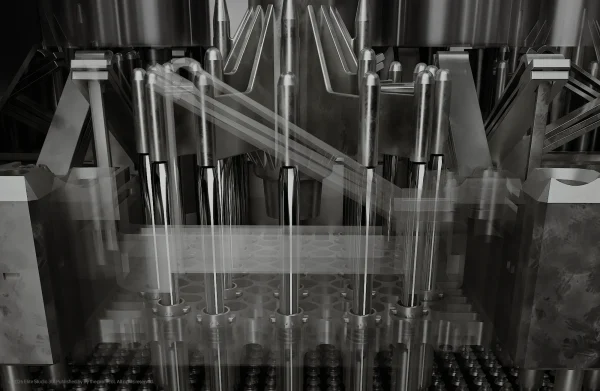
Boron and gadolinium do not produce energy in a reactor. They help define the conditions under which energy can be produced safely, predictably, and over time.
Nina Lovišček • June 4, 2026
Boron and gadolinium do not produce energy in a reactor. They help define the conditions under which energy can be produced safely, predictably, and over time.
Nina Lovišček • May 31, 2026
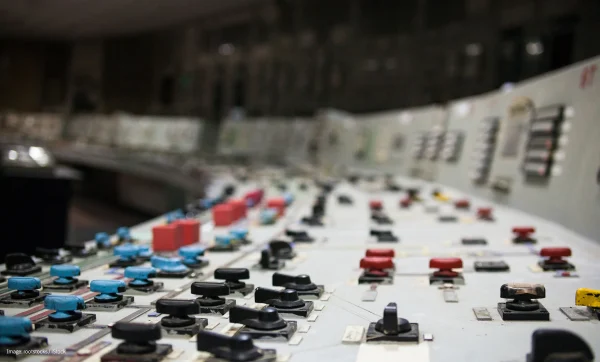
Operator error is often used as a simple explanation for failure. In complex technical systems, it should not close the analysis. It should open a deeper question: what made the action possible, likely, or difficult to recover from?
Nina Lovišček • May 25, 2026
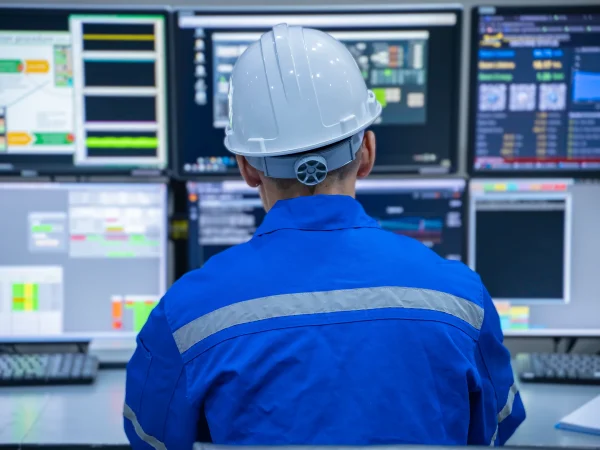
Human factors engineering is not about blaming operators. It is about designing technical systems, procedures, interfaces, training and organizational conditions around how people actually perceive, decide, communicate and act.
Nina Lovišček • May 23, 2026
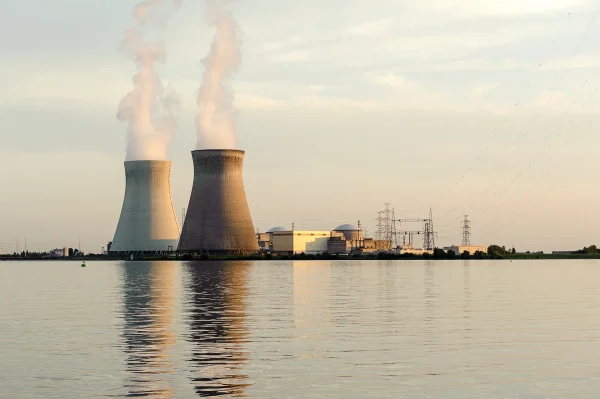
Nuclear systems are not designed around optimism. They are designed around credible failure, conservative margins, physical feedback, redundancy, and verified safety functions. Safety is not treated as a promise, but as a documented property of the system.
Nina Lovišček • May 16, 2026
Dry storage of spent nuclear fuel is not an improvisation, but a purpose-designed passive safety system. This article explains how confinement, shielding, subcriticality and decay heat removal are maintained through geometry, materials and physical principles.
Nina Lovišček • May 14, 2026
Nuclear safety does not depend on the perfect functioning of a single component or system. It is built through a safety architecture that anticipates failures, limits their consequences and prevents uncontrolled escalation.