


SCRAM

From Trip Signal to Stable State

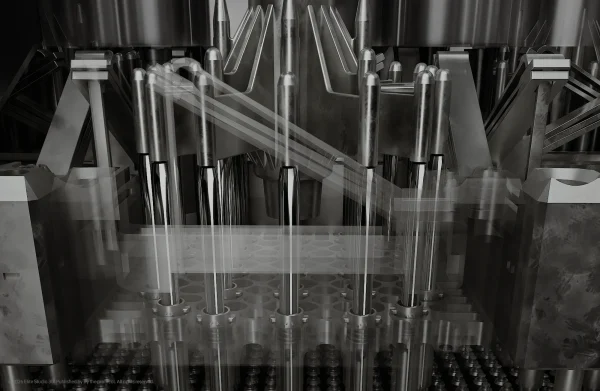
After a rapid reactor shutdown, fission power falls sharply, but the need for cooling remains. The protection signal must be followed by verification of the actual response, maintenance of subcriticality and assured heat removal. Reaching a stable state brings together system performance, assessment of measurements and coordinated crew action. Its significance lies in the ability to sustain the required safety functions over the long term.
Read More

SCRAM Is Not Panic

SCRAM is a protective function intended to shut down a reactor rapidly by inserting negative reactivity. It can be initiated automatically or manually. When successfully completed, it brings the reactor to a subcritical state and rapidly reduces fission power. Understanding the event requires knowing why the trip was initiated, how the reactor actually responded, and whether the plant can continue to remove heat.

Read More

Safety by Design

Nuclear safety rests on demonstrating that a plant can fulfil the required safety functions in specified operational states and accident conditions. The assessment connects initiating events, the physical response, equipment failures, support systems and feasible personnel actions.

Read More