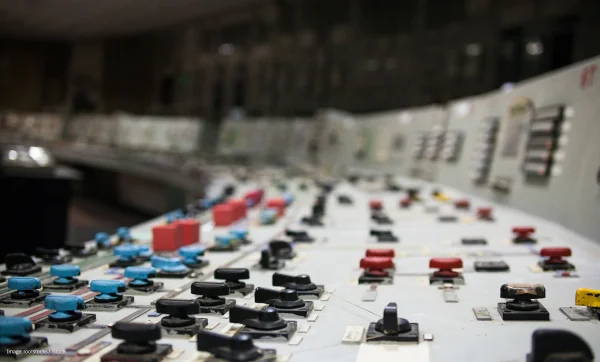

safety culture

When Braking Causes Acceleration

In the original RBMK design, initial insertion of fully withdrawn control and safety rods could introduce positive reactivity locally. Drawing on INSAG-7, this article examines the physics of positive SCRAM, its relationship to void reactivity, and the design changes after Chernobyl, focusing on the reliability of the shutdown function.

Read More

Communication Infarction

Communication infarction occurs when a channel exists and a message has been sent, yet the information is not received, understood, confirmed or acted upon. In projects, it causes delays, poor decisions and the shifting of responsibility. In complex technical systems, communication is not a matter of etiquette; it is part of safe and reliable operation.

Read More

Human Factors in Nuclear Safety

Reliable human performance in a nuclear facility depends on personnel competence, system design and the organization of work. This article explains how human factors engineering supports task feasibility, an understanding of plant conditions and error management, and how lessons from operating experience lead to improvements whose effectiveness is verified.

Read More

Safety by Design

Nuclear safety rests on demonstrating that a plant can fulfil the required safety functions in specified operational states and accident conditions. The assessment connects initiating events, the physical response, equipment failures, support systems and feasible personnel actions.

Read More